Source ac4 herringbone laminate flooring for Commercial, Outdoor, Sports
Find 30 options for ac4 herringbone laminate flooring suitable for commercial, outdoor, and sports applications. Buyers can compare thickness, surface finishes, and certifications to select the right product for their needs.
Key considerations
Products List




Comprehensive Sourcing Guide
Strategic Sourcing Guide for AC4 Herringbone Laminate Flooring
Understanding Product Architecture and Technical Specifications
When sourcing AC4 herringbone laminate flooring, buyers must first distinguish between the wear layer classification and the structural design. The core keyword implies a specific durability rating (AC4) combined with a decorative pattern (herringbone). Based on available market data, laminate flooring is generally categorized by an Abrasion Class (AC) rating that ranges from AC1 to AC5. The AC4 rating specifically denotes suitability for heavy commercial use, indicating a wear layer capable of withstanding significant foot traffic, making it a robust choice for corridors, retail spaces, and high-traffic residential areas.
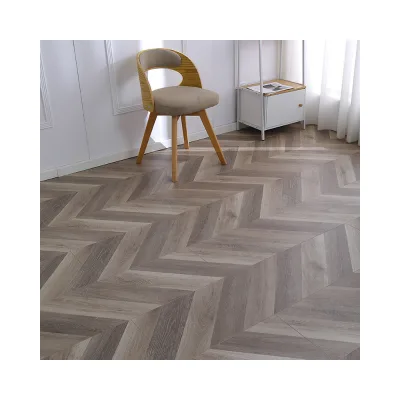
The structural composition of these floors often involves a High-Density Fiberboard (HDF) core, which provides dimensional stability and impact resistance. Some product listings indicate the availability of HDF and MDF (Medium-Density Fiberboard) options, though HDF is the standard for high-performance laminate. The thickness of the planks is a critical variable; observed specifications in the market include 7mm, 8mm, 10mm, and 12mm options, with 12mm often preferred for its sound-dampening properties and premium feel. The herringbone pattern itself is a geometric arrangement of rectangular planks, typically requiring precise cutting and a specific edge style to ensure a seamless fit.
Surface finishes play a significant role in the final aesthetic and tactile experience. The market offers a variety of surface effects, including wood grain, marble grain, embossed textures, and EIR (Embossed in Register) finishes. EIR is particularly relevant for herringbone designs as it aligns the texture with the grain pattern, enhancing the realism of the wood look. The surface finish can also be High Gloss, Matte, or Satin, depending on the desired lighting response and maintenance profile. The edge style is another technical consideration; while V-Groove is common, U-Groove and T-Groove options exist to create distinct visual lines or a flush surface.
Compliance, Certification, and Environmental Standards
Navigating the compliance landscape is essential for B2B procurement, particularly for projects in Europe or regions with strict environmental regulations. Buyers should verify that suppliers possess recognized quality management and environmental certifications. The standard certifications observed in the laminate flooring sector include ISO9001 for quality management, ISO14501 (often referenced as ISO45001 for occupational health and safety), and ISO14001 for environmental management. Additionally, the CE marking is frequently cited as a compliance indicator for products entering the European market, signifying adherence to health, safety, and environmental protection standards.
Environmental protection grades are another critical area of verification. While specific claims regarding "E-Expansion Rate of Water Absorption" being less than 2.5% appear in product data, buyers must confirm these metrics on a per-batch basis rather than assuming they apply to all SKUs. The material composition often involves HDF, which is derived from wood fibers, and the manufacturing process should adhere to low-emission standards to ensure indoor air quality. Some suppliers offer customization regarding the environmental grade, allowing buyers to select products that meet specific local building codes or green building certification requirements like LEED or BREEAM, though specific FSC certification status should be verified directly with the manufacturer rather than assumed.
Cost Drivers and Pricing Dynamics
The pricing of AC4 herringbone laminate flooring is influenced by a complex interplay of material costs, manufacturing complexity, and order volume. The observed price range in the current market spans from approximately $1.90 to $12.50 USD per unit, though this variance is heavily dependent on the specific thickness, surface finish, and order quantity. Thicker planks (e.g., 12mm) and premium surface effects like EIR or high-gloss finishes typically command higher prices within this range. The herringbone pattern itself adds a layer of manufacturing complexity compared to standard straight-lay flooring, as it requires precise cutting and often specialized packaging to prevent damage during transit.
Order Volume is a primary driver of cost efficiency. The Minimum Order Quantity (MOQ) for these products varies significantly, with observed ranges extending from as low as 10 units to as high as 3,300 units. For large commercial projects, buyers may encounter MOQs in the range of 2,000 to 2,600 square meters. Adhering to these volume thresholds is crucial for accessing competitive pricing tiers. Additionally, customization options such as specific dimensions, custom colors, or tailored packaging can increase the unit cost but may be necessary for project-specific requirements. The origin of the product, often cited as Shandong, China, influences logistics costs, which should be factored into the total landed cost calculation alongside the base FOB price.
Typical Applications and Usage Scenarios
The versatility of AC4 herringbone laminate flooring makes it suitable for a diverse array of applications. The durability rating of AC4 positions this flooring as an ideal choice for heavy commercial environments, including office buildings, retail stores, hotels, and educational institutions. The herringbone pattern adds an element of sophistication and visual interest, making it a popular choice for lobbies, reception areas, and high-end residential spaces where aesthetics are paramount. The product attributes also list suitability for outdoor and sports applications, though buyers must exercise caution here; while some listings mention "Outdoor" usage, standard laminate flooring is generally moisture-sensitive and may require specific waterproofing treatments or alternative materials for true exterior exposure.
For indoor applications, the flooring's advantages such as being waterproof (in specific treated variants), non-slip, and easy to install are highly valuable. The Click System, often utilizing Unilin or Vālinge mechanisms, facilitates rapid installation, reducing labor costs and project timelines. The herringbone layout, while visually striking, requires skilled installation to ensure the pattern aligns correctly. The product's classification as "Laminate Flooring" and specific mentions of "Herringbone Laminate Flooring" confirm its intended use for interior decorative flooring. The surface finish options, including wood grain and marble grain, allow for design flexibility to match various interior design themes, from rustic to modern contemporary.
Supplier Evaluation and Sourcing Criteria
Evaluating potential suppliers requires a rigorous assessment of their production capabilities, quality control processes, and logistical reliability. Buyers should prioritize suppliers who demonstrate transparency regarding their manufacturing standards and certifications. The presence of ISO9001, ISO45001, and ISO14001 certifications indicates a structured approach to quality and safety management. When evaluating suppliers, buyers should request detailed product specifications that confirm the AC4 rating, the specific thickness, and the surface finish type. It is also vital to verify the click system compatibility; while Unilin is a common standard, options like Vālinge, Double Click, or Single Click may be available, and compatibility with existing subfloors or underlayments should be confirmed.
Geographic origin is another factor in supplier selection. Many laminate flooring products originate from Shandong, China, a region known for its manufacturing capacity. Buyers should assess the supplier's ability to handle large orders, given the high MOQs observed in the market. The packaging method, often customized cartons, should be evaluated for its ability to protect the flooring during long-distance shipping. Customization capabilities, such as the ability to produce specific sizes like 1220mm x 172mm x 12mm or 1220mm x 200mm, are significant differentiators. Suppliers offering wax sealing for the lock system can provide added protection against moisture ingress at the joints, a feature that enhances the longevity of the installation in high-moisture areas.
Quality Control and Long-Term Procurement Considerations
Ensuring consistent quality over time requires a robust quality control (QC) framework. Buyers should implement pre-shipment inspections to verify that the delivered goods match the ordered specifications regarding thickness, color, and pattern alignment. The density of the HDF core, often listed as HDF, MDF, or Hmdf, is a key indicator of durability; higher density generally correlates with better resistance to indentation and wear. The surface finish should be inspected for uniformity, ensuring that embossed textures or EIR effects are consistent across all planks. The wear layer thickness, corresponding to the AC4 rating, must be verified to ensure it meets the required performance standards for the intended application.
Long-term procurement considerations involve planning for maintenance and potential replacement. The herringbone pattern, while aesthetically pleasing, can be more challenging to repair if individual planks are damaged compared to standard straight-lay flooring. Buyers should inquire about the availability of matching replacement planks and the lead times for restocking. The product's water absorption rate, with some data suggesting an expansion rate of less than 2.5%, is a critical metric for longevity in areas prone to spills or humidity. However, buyers must verify these figures for the specific batch, as performance can vary. Finally, the customization of packaging and the ability to source specific models, such as HL 05, HL 07, or JIABAO series, allows for tailored procurement strategies that align with specific project timelines and budget constraints.
Comparative Analysis of Key Product Attributes
To facilitate decision-making, the following table summarizes the key technical attributes observed in the AC4 herringbone laminate flooring market. This comparison highlights the variability in specifications that buyers must navigate when selecting a supplier.
| Attribute Category | Common Specifications | Variability Notes |
|---|---|---|
| Wear Layer (AC Rating) | AC1, AC2, AC3, AC4, AC5 | AC4 is standard for heavy commercial; AC5 for extreme traffic. |
| Thickness | 7mm, 8mm, 10mm, 12mm | 12mm offers superior sound insulation and stability. |
| Core Material | HDF, MDF | HDF is preferred for high durability and moisture resistance. |
| Surface Finish | High Gloss, Matte, EIR, Wood Grain | EIR provides realistic texture; Gloss affects light reflection. |
| Edge Style | V-Groove, U-Groove, T-Groove | V-Groove creates distinct lines; T-Groove offers a flush look. |
| Click System | Unilin, Vālinge, Double, Single | Compatibility with underlayments and installation tools varies. |
| Size Dimensions | 603100.5mm, 1220200mm, Custom | Herringbone often requires specific aspect ratios for pattern. |
| Certifications | ISO9001, ISO45001, ISO14001, CE | Essential for compliance in regulated markets. |
| MOQ Range | 10 to 3,300 units | High volume orders often reduce unit cost significantly. |
| Origin | Shandong, China | Affects logistics costs and lead times. |
This structured approach to sourcing ensures that buyers can make informed decisions based on verified data, minimizing risks associated with product performance and compliance. By focusing on the specific attributes of AC4 herringbone laminate flooring, procurement teams can secure high-quality flooring solutions that meet both aesthetic and functional requirements for their projects.
FAQs
What thickness options are available for AC4 herringbone laminate flooring?
Available thickness options include 7mm, 8mm, 10mm, and 12mm, with custom sizes also possible. The 12mm variant is often preferred for its superior sound insulation and stability in heavy commercial environments.
Which certifications do AC4 laminate flooring manufacturers typically hold?
Manufacturers typically hold ISO9001, ISO45001, and ISO14001 certifications for quality and safety management. Some products also carry CE marking to indicate compliance with European health and environmental standards.
Can AC4 herringbone flooring be customized for specific project needs?
Yes, customization is available for dimensions, surface effects, and packaging requirements. Buyers can request specific sizes like 1220mm by 200mm or tailored wax sealing for the lock system to enhance moisture resistance.
What is the typical minimum order quantity for this flooring type?
Minimum order quantities range from 10 units up to 3300 units depending on the supplier. Large commercial projects often face MOQs between 2000 and 2600 square meters to secure competitive pricing tiers.
Which surface finishes are offered for AC4 herringbone laminate flooring?
Surface finishes include high gloss, matte, and various textures like wood grain, marble grain, and EIR. The EIR finish aligns the embossed texture with the grain pattern for a realistic wood look.
Where are AC4 herringbone laminate flooring products primarily manufactured?
Products are primarily manufactured in Shandong, China, a region known for its significant production capacity. This location influences logistics costs and lead times for international shipments.
How does the click system work for AC4 laminate flooring installation?
The click system typically utilizes Unilin or Vālinge mechanisms for rapid and secure installation. Some options also include double or single click systems to ensure a tight fit between planks.